Introducing Solnce — the live demo for Gramota
Reading a spec is a terrible way to evaluate an SDK. So before we asked anyone to read ours, we built a small storefront — Solnce — that sells products gated by EU rules, verifies the customer with a real EU Digital Identity Wallet flow, and lets you walk through the whole thing without installing anything.
It's live at https://gramota-org.github.io/demo-store/. This post is a quick tour of what it does and why we built it.
1. The storefront
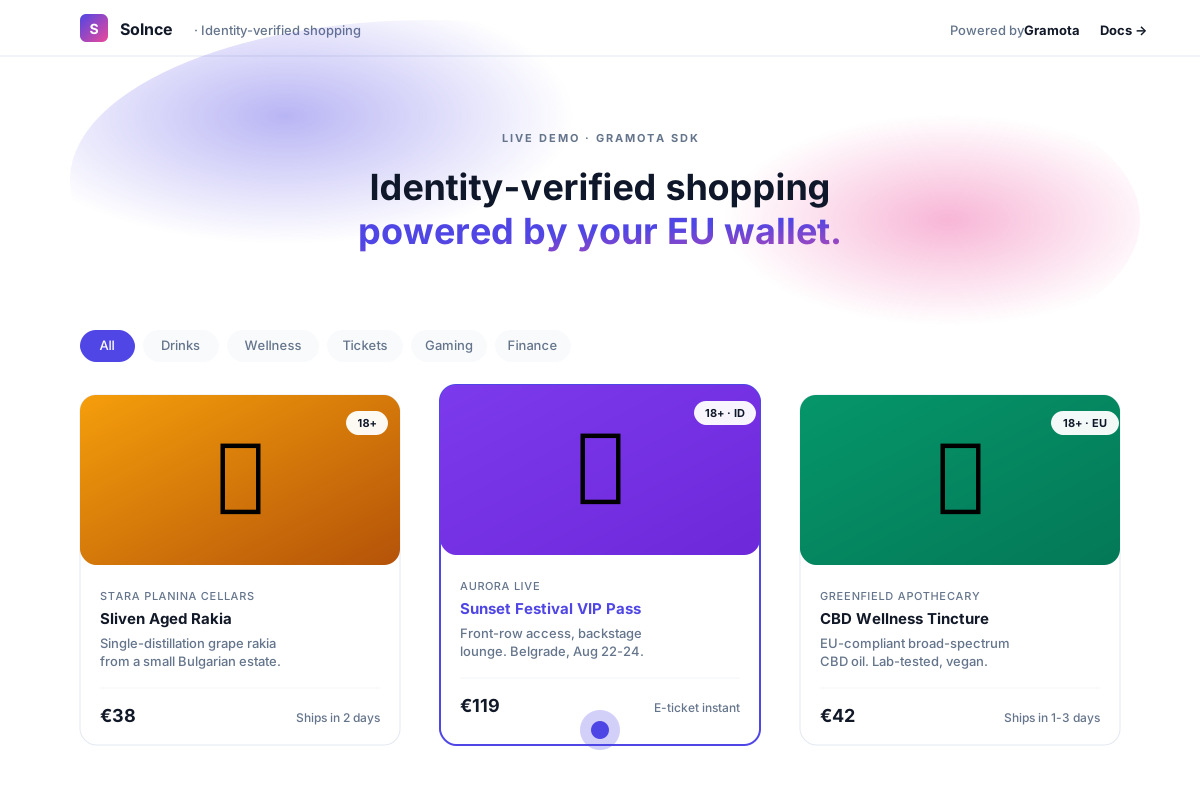
Nine products across drinks, wellness, tickets, gaming, and finance — each one gated by a real EU regulation:
- Rakia, champagne, beer — alcohol licensing, 18+
- CBD tincture — EU compliance, 18+, EU residency
- Festival VIP pass — age-gated event entry, identity required
- Berghain night — same, but with a sense of humour
- Racing-game pre-order — PEGI 16
- Online poker buy-in — gambling age (18) + EU jurisdiction + identity
- Brokerage account — KYC
The badges on each card aren't decoration. They map 1:1 to the checks the verifier will run when you click "Buy now". The whole point of the demo is to show that you don't need a separate identity-verification SaaS, a 90-page integration guide, or a pile of compliance lawyers to ship this.
2. Verifying the wallet
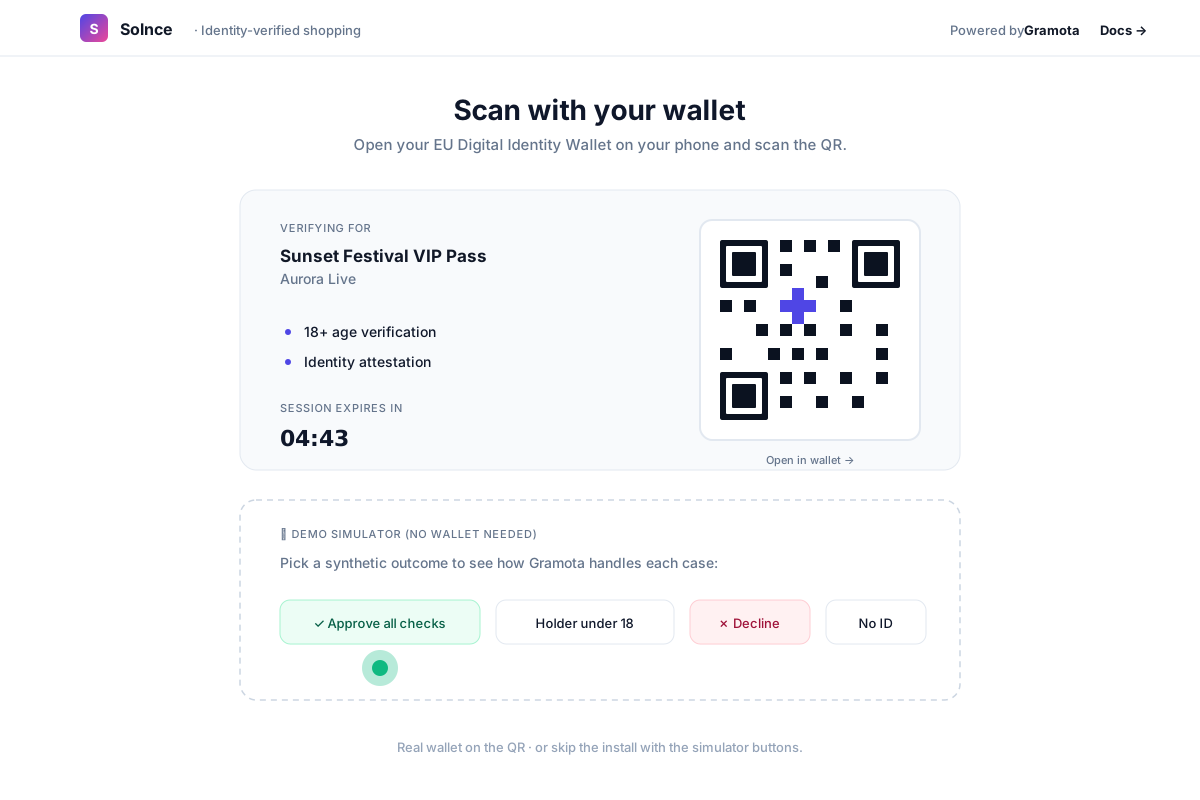
Click any product and the checkout switches to a verification screen. Two paths from here:
Real wallet path — scan the QR with the EU Digital Identity Wallet (or any OID4VP-compatible wallet). The verifier mints a session against our production API at
https://api.gramota.eu. Your phone shows the disclosure prompt. Tap "Share" and the order completes.Simulator path — the dashed-border panel below the QR has four buttons: Approve all checks, Fail age, Fail residency, Fail all. Each one drives the same backend pipeline a real wallet would, using synthesised credentials so you can see every outcome without needing a phone in front of you. We use it for screen-recordings, customer demos, and CI.
The session expires in 5 minutes. The countdown is real.
3. The result
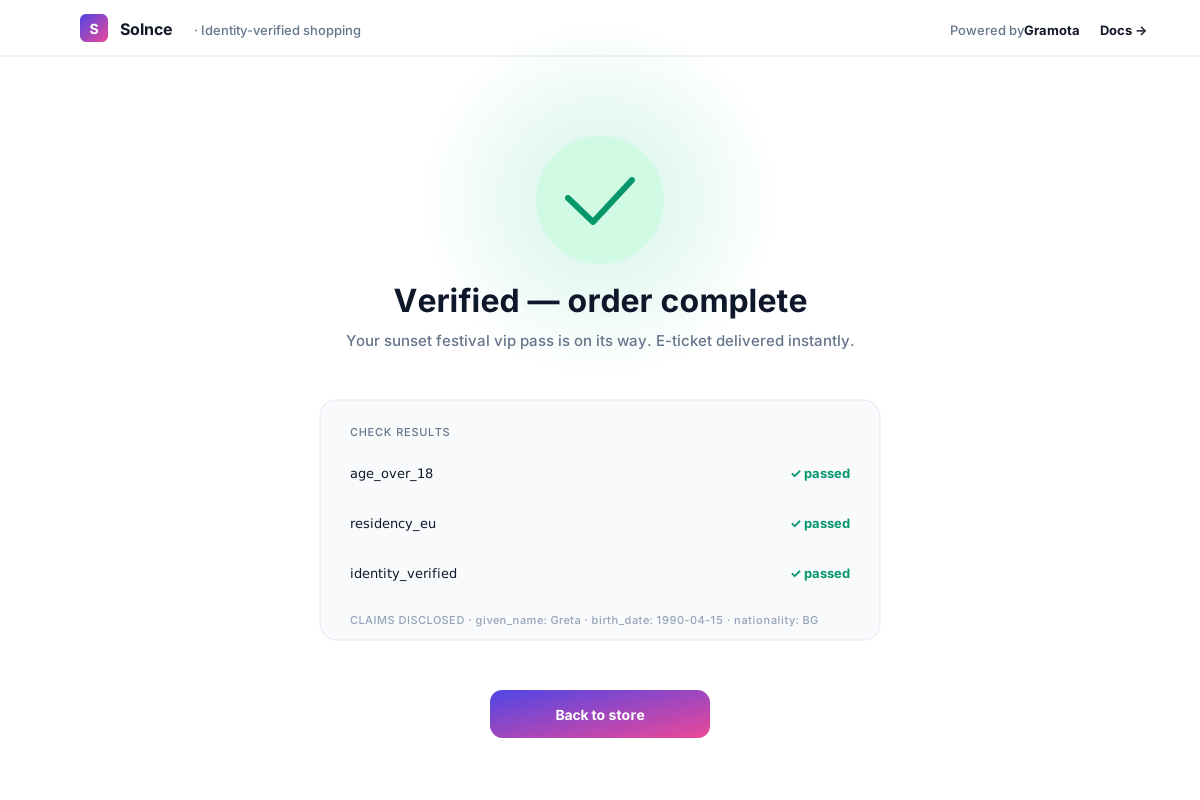
If the wallet shares what was asked for, every gate passes and the order completes. The "check results" panel lists each check by name and outcome — no surprises, no opaque scoring.
The thing worth pointing at is the footer:
CLAIMS DISCLOSED — given_name: Greta · birth_date: 1990-04-15 · nationality: BG
That's everything the merchant got. The wallet didn't share the document number, the photo, the issuing authority, or the address. Selective disclosure is the default — not a feature you have to turn on.
Why we built it
Three reasons:
Reading is slow, clicking is fast. A two-minute walkthrough tells you more than a 50-page README about whether this SDK fits your problem.
Failure cases matter as much as the happy path. The four simulator buttons let you see exactly what your code receives when a customer is too young, when they're outside the EU, when they don't have an identity credential. You don't have to imagine it.
It pressure-tests the API. Every customer demo runs against the same production endpoints we ship. If something is brittle, we find out before you do.
What's under the hood
The storefront is React 18 + Vite, deployed to GitHub Pages. The
verification backend runs on a single Hetzner CAX11 ARM node in
Falkenstein for €5.39/mo. Caddy handles HTTPS via Let's Encrypt with
a wildcard cert covering every tenant subdomain at *.gramota.eu,
issued via the DNS-01 challenge against Cloudflare's DNS API. The
whole thing is open-source and disposable.
POST /demo/verifications mints the session, GET /demo/verifications/:id polls status, and POST /demo/verifications/:id/simulate drives the simulator. No auth —
it's a public demo, rate-limited by IP.
The verifier itself is @gramota/verifier, the same package you'd
install. Twelve checks run on every successful flow. We're not
hiding anything behind a smart wrapper.
Try it
- Live demo: https://gramota-org.github.io/demo-store/
- Source: https://github.com/gramota-org/demo-store
- Backend source: https://github.com/gramota-org/saas
If something is broken, open an issue — the demo is the canonical "is the API working?" check, so we'd rather hear about it loudly.